Preparing Your Community Pool for Opening Season
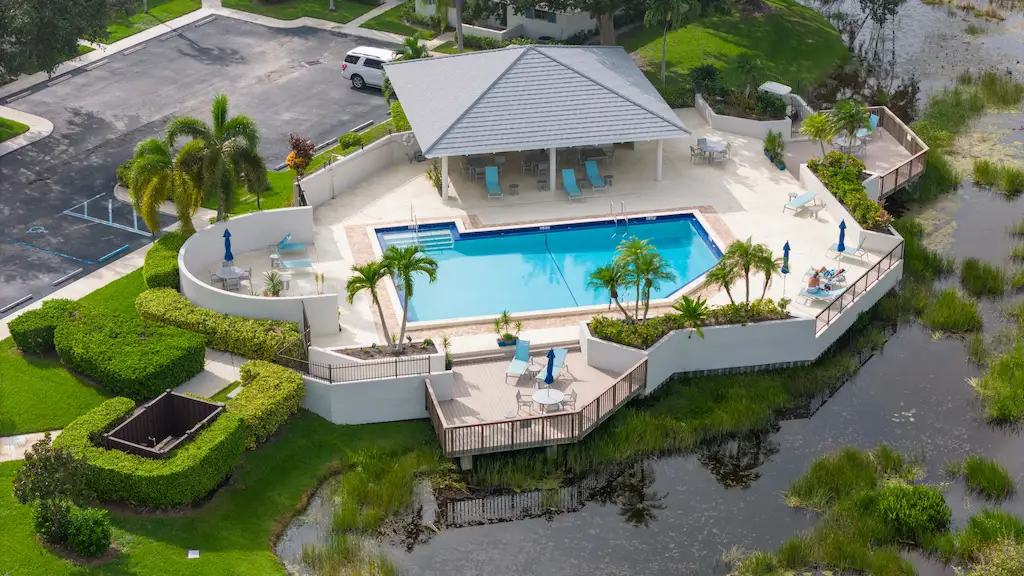
Opening a community pool takes more than removing the cover, turning on the heater and unlocking the gate. For HOAs, pool season brings added responsibility around safety, maintenance, staffing, liability, and resident communication. A clear opening checklist helps boards make sure the pool is safe, compliant, and ready for use from day one.
Ensuring Pool Safety Compliance
Inspect Fencing, Gates, and Life-Saving Equipment
Before opening the pool, inspect all fencing, gate latches, locks, and access points to confirm the area is secure and functioning properly. Life-saving equipment such as rescue hooks, life rings, first aid supplies, and emergency phones should also be checked to ensure they are present and in working condition.
Confirm Signage and Review Current Local Health Codes
Pool rules and required signage should be clearly posted and easy for residents to read. Boards should also confirm that they are aligned with current local health requirements and any community-specific operating rules. If operating rules or hours change, ensure the posted signage is also updated.
Balancing Water and Equipment Maintenance
Test Chemical Levels and Adjust for Swimmer Safety
Water chemistry must be balanced before the pool opens. Proper chlorine, pH, alkalinity, and stabilizer levels help keep swimmers safe and prevent issues that can damage the pool or delay opening. Boards should document testing and verify that procedures are in place for regular monitoring throughout the season.
Conduct Final Cleaning and Equipment Inspection
A full cleaning should include the pool basin, surrounding deck, drains, skimmers, furniture, and any adjoining restroom or shower areas. At the same time, inspect ladders, drain covers, lighting, and deck surfaces for any safety or maintenance concerns.
Schedule Maintenance for Pumps, Filters, and Heaters
Mechanical systems are just as important as visible conditions. Pumps, filters, heaters, and automated chemical systems should be inspected and serviced before residents return to the pool.
Staffing and Training for the Season
Confirm Lifeguard Certification and Scheduling
If the community uses lifeguards, confirm certifications are current and schedules are fully staffed for opening week and peak periods. Boards should also confirm who is responsible for backup coverage if a scheduled guard is unavailable.
Pool Monitors, Pool Contractors and Janitorial Staff
Some communities hire pool monitors to assist with high-use pools. Pool monitors and support staff are not certified lifeguards. They assist with access control, enforcing rules, stocking supplies and reporting concerns. The HOA should review job responsibilities, hire employees, set schedules and complete training well in advance of the pool season.
There may also be seasonal changes to pool maintenance and janitorial schedules, including service during high-use months. While annual contracts often spell out the frequency of service throughout the year, it is always good to confirm with vendors ahead of pool opening.
Train Staff on Emergency Procedures and Pool Rules
Everyone involved in pool oversight should understand emergency procedures, enforcement protocols, and key community rules. That includes how to handle overcrowding, unsafe behavior, access issues, and incident reporting. Clear training reduces confusion and improves consistency.
Evaluate the Overall Pool Area Appearance
Inspect Outdoor Showers, Restrooms and Changing Areas
Maintenance of the pool area extends beyond the pool itself. Community pools often include outdoor showers and restrooms. It is important to regularly inspect these features to ensure the plumbing fixtures are properly working, the tile floors are clean, and everything appears to be in good condition and working order. Consider scheduling annual deep cleaning, pressure washing and grout cleaning prior to the summer pool season.
Inspect Decks, Walkways, Furniture and Landscaping
Complete a general inspection to confirm if the pool deck needs to be washed or furniture cleaned. Check all furniture, tighten bolts and complete repairs. If the board is looking to replace furniture this season, keep in mind that patio furniture companies often have long lead times, and warehouses and retail outlets sell out early.
Inspect fencing, trash cans, painted benches and fixtures any touch up painting needs. Check any planter beds in and around the pool for refreshing plants and mulch. When evaluating landscaping, consider whether pollen, blooms or mulch may blow into the pool or spa.
Communicating With Residents
Announce Opening Dates and Distribute Updated Pool Rules
Residents should receive clear information well before the pool opens. That includes the opening date, hours of operation, guest policies, supervision requirements, and any updated rules for the season.
Share Safety Reminders and Encourage Supervision
Even with rules posted, regular reminders matter. Reinforcing expectations around child supervision, appropriate conduct, food and drink restrictions, and after-hours access helps reduce risk and create a better pool environment for everyone.
Planning Community Events and Ongoing Upkeep
Consider Pool-Side Events to Build Community Engagement
Opening season can also be a chance to strengthen community engagement. A simple kickoff event, resident gathering, or family swim day can help create a positive start to the season.
Schedule Regular Skimming, Testing, and Mid-Season Maintenance
A smooth opening is only the beginning. Boards should confirm a recurring maintenance schedule for water testing, skimming, deck cleaning, and mechanical inspections. Ongoing upkeep helps avoid unexpected closures and supports a safer resident experience throughout the season.
Relying on Experts for Proper Management
Defer to a Professional Pool Maintenance Contractor
It is in the best interest of the HOA to utilize a third-party pool maintenance contractor. Ensure the contractor carries all proper licenses and is familiar with local ordinances and health code requirements. Ask your contractor to inspect all equipment and signage and provide a written report that can be saved in the HOA files.
Due to the safety and liability concerns surrounding pools, it is recommended the board ask its legal counsel to review the pool maintenance contract to ensure it includes certain details and protections for the HOA.
Utilize the Management Company to Organize the Pool Opening Process
The management company can develop a pool opening and closing checklist, generate work orders, facilitate requests for proposals, order furniture or supplies, and track completion of items. While most management companies are not experts in pool construction and upkeep, the manager should inspect the pool area regularly and report any visible concerns (low water level, broken glass, leaky faucets).
Preparing your community pool for opening season is about more than appearance. When boards focus on compliance, maintenance, staffing, and resident communication, they set the stage for a safer and more enjoyable summer for everyone in the community.
Common Interest Management Services is well positioned to guide and support the board in ensuring its amenities are properly maintained to reduce costs and liability while enhancing property values and the enjoyment of residents.