Spring HOA Maintenance Checklist for California Communities
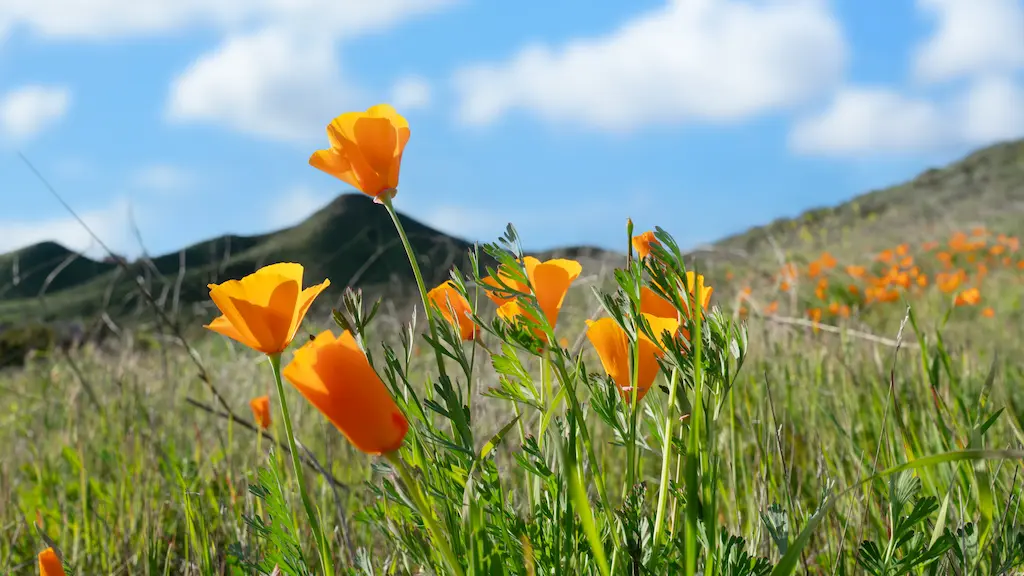
Spring is one of the most important times of year for HOA maintenance planning in California. While the state’s winters are often milder than in other parts of the country, seasonal rain, wind, debris, and changing temperatures can still take a toll on common areas, irrigation systems, landscaping, and exterior structures. A well-organized spring HOA maintenance checklist helps communities stay ahead of repairs, improve curb appeal, and protect long-term property values.
Why Seasonal Maintenance Matters in California
Impact of Mild Winters and Rainy Season on Community Assets
Most California communities do not deal with heavy snow accumulation, but winter still leaves behind maintenance issues that should not be ignored. Rain can expose drainage problems, pooled water can damage hardscapes, and winds often leave debris in gutters, landscaping beds, and shared outdoor spaces. Spring is the right time to inspect these areas before small issues turn into larger repair costs.
How Proactive Maintenance Preserves Property Value
Routine seasonal maintenance helps boards protect both appearance and functionality. Clean, well-maintained common areas create a better resident experience while also supporting property values across the association. Preventive maintenance also reduces the chance of emergency repairs later in the year, when schedules are tighter and costs are often higher.
Essential Spring Tasks for Common Areas
Clear Winter Debris and Power-Wash Sidewalks and Patios
Start with a full walkthrough of the property to identify debris, staining, damaged surfaces, and neglected gathering spaces. Sidewalks, patios, entryways, and shared recreation areas often benefit from pressure washing after winter. Removing leaves, branches, dirt, and buildup helps the property feel refreshed and ready for outdoor enjoyment.
Test Irrigation Systems and Repair Broken Sprinkler Heads
Most communities turn off landscape irrigation systems during winter months to respond to seasonal needs and reduce costs. Spring is the ideal time to restart irrigation systems and look for leaks, broken sprinkler heads, low-pressure zones, and overspray. An irrigation check early in the season can prevent water waste and protect landscaping as temperatures rise. It is recommended HOAs work with the landscape maintenance provider to schedule an inspection of the system, review repairs and slowly ramp up the irrigation schedule as the need increases.
Refreshing Landscaping After Winter
Plant Seasonal Flowers and Add Mulch for Curb Appeal
Spring planting gives communities an immediate visual boost. Seasonal flowers, refreshed planting beds, and clean borders help create a welcoming appearance for residents and guests. Adding mulch also improves moisture retention, reduces weeds, and gives landscaped areas a finished look. Many communities budget for annual landscape refreshing to avoid large renovation projects and keep the community well maintained. Spring is the perfect time of year for the greatest success of new plants while timing the visual impact with the seasons.
Prune Shrubs and Trees and Remove Dead Growth
Winter can leave behind broken branches, dead growth, and overgrown areas that need attention. Pruning helps improve plant health, enhances visibility throughout the community, and reduces future maintenance needs. Tree limbs near roofs, walkways, or lighting should receive special attention. A company specializing in tree maintenance can provide recommendations and an annual maintenance schedule that matches the best time of year of trimming and treatment by species.
Plan Drought-Tolerant Plantings Tailored to California Climate
Use the spring planting season as an opportunity to think long term. Drought-conscious landscaping can help reduce water use while still maintaining curb appeal. Native or climate-appropriate plantings are often easier to maintain and more resilient in dry conditions.
Repairing and Painting Community Structures
Inspect Fences, Signage, and Railings and Address Rust or Peeling Paint
Spring is a good time to inspect shared structures for cosmetic and functional damage. Fences, signs, benches, railings, and entry features should be checked for rust, peeling paint, loose hardware, or wood rot. Handling these issues early can extend the life of community assets and improve safety.
Schedule Exterior Painting and Minor Carpentry Before Summer
Contractors tend to book up quickly as the season progresses. If your community needs touch-up painting, carpentry work, or repairs to trim, gates, or shared structures, spring is the best time to get on the calendar. Smaller repairs are often easier and less expensive to complete before they worsen.
Coordinating Vendors and Budgeting
Contact Landscapers and Contractors Early to Secure Spring Dates
Many communities need similar services at the same time of year, which makes early scheduling important. Landscapers, irrigation specialists, painters, and general contractors may have limited availability once the season is fully underway. Early coordination helps the board maintain control over timing and cost.
Incorporate Maintenance Costs Into Reserve Planning
Spring projects should not be viewed in isolation. Seasonal maintenance can reveal patterns that affect long-term reserve planning, including recurring drainage repairs, irrigation upgrades, or structural repainting cycles.
A strong spring HOA maintenance checklist helps California communities move into the busiest part of the year with confidence. By focusing on cleanup, inspections, landscaping, and vendor coordination now, boards can reduce surprises later and keep the community looking and functioning at its best.
Utilizing Your HOA Management Company
Guidance in Budget Planning
Seasonal maintenance does not need to be reactionary, and expenses can be planned so they don’t become a burden on the overall budget. The HOA maintains historical financial records that include average irrigation repairs, seasonal tree work and general maintenance. The management company can provide information on previous expenses and options for reducing costs during budget planning. Engaging in a discussion on maintenance goals during budget season will help ensure funds are set aside for this important work.
Implementing Annual Calendars and Maintenance Checklists
Spring inspections and maintenance requirements are cyclical, meaning that components are reviewed every year. In addition, there are maintenance needs projected in the reserve study to occur on specific years. A good management company will prepare, update and implement a calendar that incorporates annual maintenance, reserve projects and board goals. The calendar then becomes a tool for both the board and the management company to organize work, reduce costs and ensure important items are not missed.
Maximizing Vendor Relationships
Your HOA management company has vetted many local service providers over the years and maintains strong vendor relationships. Your manager can lean on the experience of the entire company to provide recommendations and feedback on specific vendors. An organized and resourceful company will have tools to compare vendors and proposals, facilitating board decisions. They will also have internal systems to track requests, schedule work, and monitor completion, taking the burden off the board.