

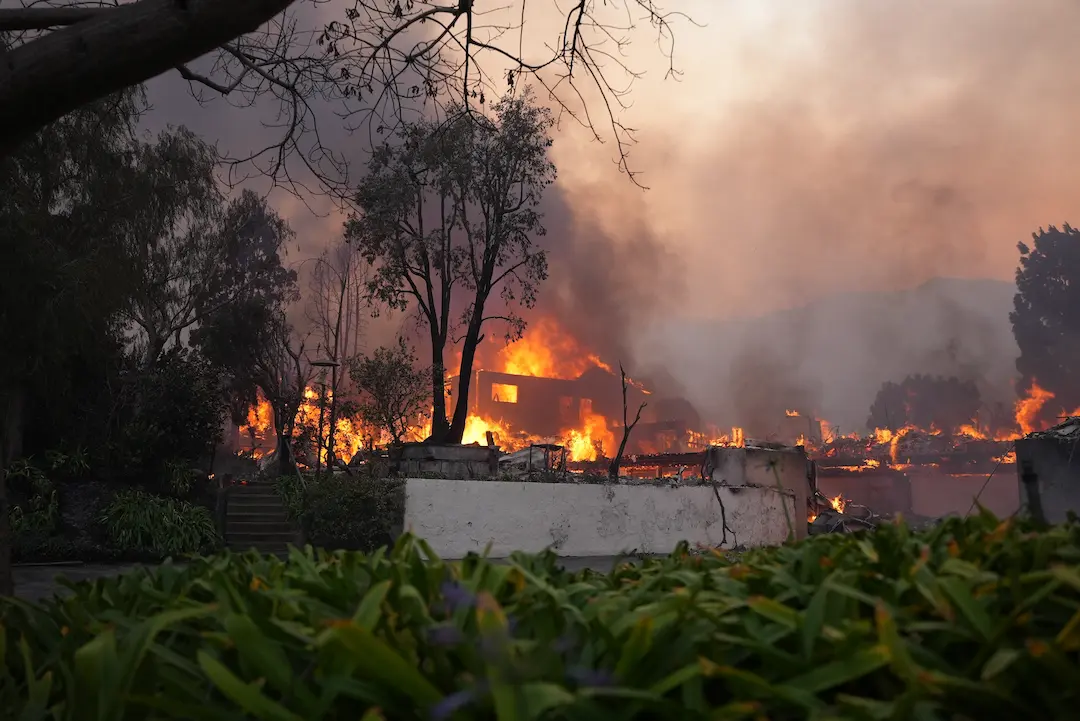
California communities are facing more frequent and more intense natural disasters than ever before. Longer fire seasons, hotter summers, unpredictable storms, and aging infrastructure all raise the stakes for HOAs. And when something happens, residents look to the association for stability, guidance, and preparedness.
A well-thought-out emergency plan doesn’t just reduce damage—it protects lives, preserves property values, and helps your community recover faster.
While HOAs aren’t emergency response agencies, there are things the HOA can do to protect assets and help residents prepare. That includes:
· Assessing risks to the community
· Maintaining safety-related infrastructure
· Creating policies and procedures for various emergencies
· Developing communication plans for vendors and community members
A proactive HOA can make the difference between a chaotic emergency and a coordinated, safer response.
A strong HOA emergency plan doesn’t need to be complicated, but it does need to be clear and comprehensive. At minimum, it should include:
· Risk assessments specific to the property (fire zones, flood areas, proximity to fault lines)
· Evacuation routes and designated meeting points
· Roles and responsibilities for board members, managers, and vendors
· Maintenance protocols for fire mitigation, structural integrity, and emergency systems
· Resource lists for residents
· Continuity plans for restoring operations after an incident
This framework becomes the backbone for all preparedness efforts.
Bay Area communities continue to face high wildfire risk, especially those bordering open space. HOAs can reduce danger by:
· Ensuring defensible space is maintained
· Clearing debris around buildings
· Coordinating seasonal landscaping, tree trimming and fuel reduction
· Disseminating information and resources from local municipalities and emergency services
· Encouraging residents to keep emergency go-bags ready
Earthquakes strike without warning, which means preparation has to happen long before the ground shakes. Associations should:
· Verify that buildings meet current seismic standards
· Secure heavy equipment in shared spaces
· Identify shutoff locations for gas, water, and electricity
· Establish post-quake inspection procedures
· Encourage residents to store water, supplies, and safety gear
A little planning goes a long way in reducing injury and structural damage.
Public Safety Power Shutoffs (PSPS), downed lines, and grid overloads are now a regular part of life in California. HOAs can stay ahead by:
· Maintaining emergency backup lighting in common areas
· Establishing protocols for garage and pedestrian access
· Communicating estimated restoration times as soon as utilities release them
· Ensuring evaluation routes are clearly marked in the event the elevator and certain access points are shutdown
· Keeping residents informed helps contain frustration and confusion during an outage.
It is important that emergency services can access the community at any time. Police and Fire Departments often have strobe lights and special key boxes installed so that they can open gates, access utility rooms, review fire panels and reach residents. They need access to community maps and layouts so they can move quickly. While most municipalities conduct regular checks and inspections to confirm access, HOAs can proactively confirm access and complete any action items that will facilitate their response.
Preparedness is most effective when everyone participates. Offering seasonal reminders, hosting annual safety meetings, or coordinating simple evacuation drills can build confidence and reduce anxiety.
Some communities also partner with local fire departments or emergency services to lead hands-on preparedness workshops.
Easy-to-access information is essential. HOAs should maintain and regularly update:
· After hour emergency service protocols
· Emergency contact sheets
· Utility outage reporting instructions
· Local alert system sign-up links
Posting this information on the community website or distributing a yearly preparedness packet ensures residents know where to turn.
The management company can work with vendors to ensure there is emergency access to building components, proper signage is installed, and there is a strategy for maneuvering through an active emergency. We can also assist with the development of preventative maintenance plans, annual calendars and ongoing inspections to ensure the HOA is well-positioned and protected during an emergency. Not only does an inspection and maintenance program help prepare the community, but it also reduces liability in the event of post-emergency claims.
It is important to note that the HOA management company may experience the same emergency as the community. It is important to understand the role of the management company, its resources, and its back-up plan in supporting the community during widespread emergencies.
Emergency events can’t be avoided, but their impact can be significantly reduced with thoughtful planning. HOAs that prioritize preparedness not only protect their residents but also strengthen confidence and community resilience. By creating clear plans, communicating effectively, and staying proactive, your association can navigate wildfires, earthquakes, and anything else that comes your way.

CIMS is always seeking talented individuals to join our team. Visit us at Indeed to see our current openings and apply today!

All Common Interest offices will be closed on Friday, September 20th.
They will re-open on Monday September 23rd.
For Homeowners/HOAs currently managed by Common Interest in need of customer service support please call: